Insulation Removal & Replacement
Old, compressed, water-damaged, or pest-contaminated insulation removed, hauled away, and replaced — a clean slate that lets new insulation perform at its full rated value instead of covering up a problem.
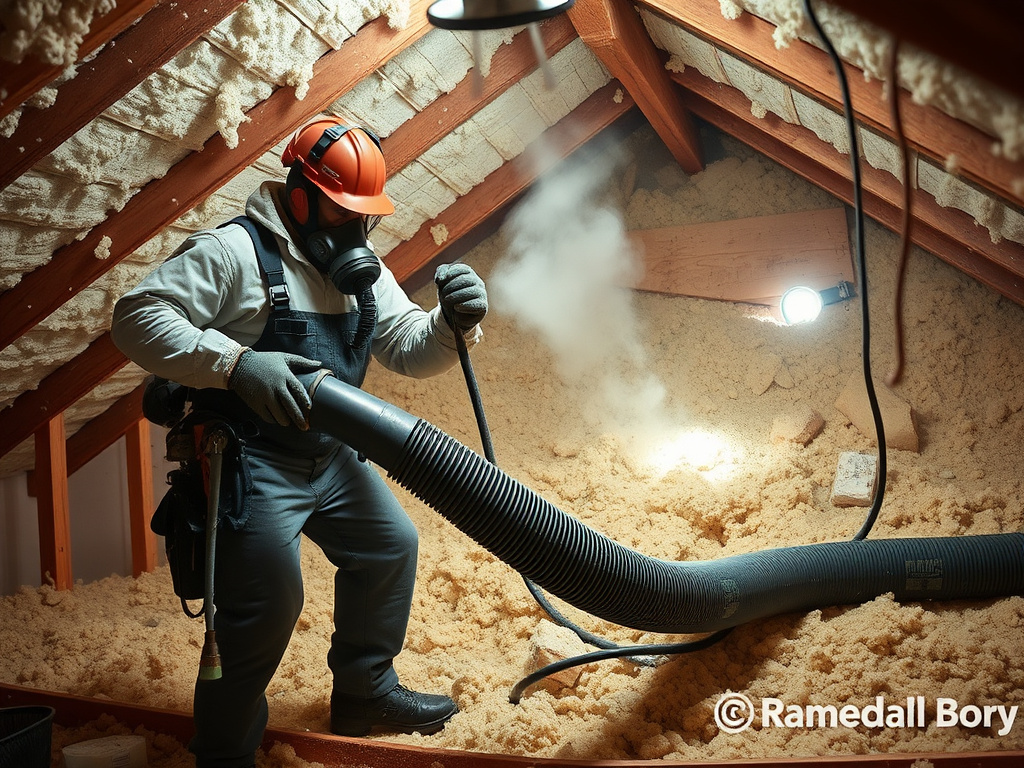
Not every insulation problem gets fixed by adding new material on top of what's already there. Insulation that's compressed flat, soaked from a roof or plumbing leak, moldy, or contaminated by rodents or other pests needs to come out first — otherwise a fresh layer just gets buried on top of material that's actively dragging down performance and, in contamination cases, indoor air quality.
We inspect before we quote, remove and haul away what needs to go, decontaminate the space as needed, and bundle the job with re-insulation so the attic, crawl space, or wall cavity isn't left exposed any longer than necessary. If we spot an entry point that let pests in or a leak that soaked the insulation in the first place, we'll flag it before we close the job back up.
Why homeowners choose it
- Removes insulation that's no longer performing at its rated R-value
- Clears pest droppings, nesting material, and contaminated insulation
- Addresses water-damaged or moldy material before it affects indoor air quality
- Gives new insulation a clean, verified surface to perform at full value
- Bundled re-insulation means no lasting gap in protection
- Flags leaks or entry points so the same problem doesn't recur
When Removal Is Necessary vs. a Simple Top-Off
Not every attic needs a full teardown. If existing insulation is clean, dry, and simply thin, a top-off is usually the more cost-effective path. Removal becomes necessary when insulation is compressed beyond recovery, contaminated by pests, damaged by water or mold, or so unevenly distributed that a top-off can't reliably fix the gaps.
Water-damaged insulation in particular should always come out rather than be topped off — trapped moisture under new material can lead to mold that's far harder to address once it's buried. We inspect first and recommend the direction that actually fits the space, not the bigger job by default.
Pest, Rodent, and Contamination Cleanup
Rodents and other pests nest in insulation, chew through material, and leave droppings and urine that contaminate whatever is in place. Contaminated insulation isn't just underperforming — it's a legitimate indoor air quality concern once ductwork or attic-floor insulation has been compromised.
We assess the extent of contamination, remove affected material safely, and clean the space before any new insulation goes in. If entry points are visible, we'll point them out — sealing those gaps is the only way to keep pests from simply coming back after a fresh re-insulation.
- Contaminated insulation affects both R-value and indoor air quality
- We flag visible pest entry points before re-insulating
- Decontamination is scoped to the actual extent of the problem
- Affected material is bagged and hauled off-site, not left behind
The Removal-to-Reinsulation Process
We vacuum or hand-remove old insulation depending on the material and contamination level, bag and haul it off-site, and inspect the exposed framing or floor for damage, mold, or ongoing pest activity before anything new goes down.
Once the space is clean and any entry points are addressed, we reinsulate to your target R-value — typically the same visit or a closely scheduled follow-up, so the attic or crawl space isn't left exposed for long, and you know exactly what changed.
Ideal for
- Older homes with decades-old, compressed, or visibly degraded insulation
- Homes with a recent roof or plumbing leak that soaked attic or wall insulation
- Attics or crawl spaces showing signs of rodent or pest activity
- Pre-sale inspections that turn up insulation condition concerns
- Anyone noticing odors, drafts, or a sudden jump in energy bills tied to attic or crawl space insulation
What affects the cost
Removal & Replacement questions, answered
Not always. If existing insulation is clean, dry, and just thin, we can often top it off with new material. Removal is necessary when insulation is compressed beyond recovery, contaminated by pests, or damaged by water or mold — we inspect first and recommend the right path.
Signs include visible droppings or nesting material, a persistent odor, water staining, compressed or matted insulation, or a noticeable drop in comfort paired with rising energy bills. An inspection can confirm which direction makes sense.
Cost depends on square footage, contamination level, and insulation type, and can range from a modest job for a small, lightly affected space to a more significant cost for a large area with heavy contamination. We give a firm quote after an on-site inspection — call 844-967-5247.
Both. Droppings, urine, and mold can affect indoor air quality beyond just lost R-value, which is why we treat contaminated insulation as something to address promptly rather than bury under a fresh layer.
Removal & Replacement done right, by a licensed crew
Removal & Replacement isn't a commodity — the result depends entirely on how carefully it's planned and installed for your specific property. We assess what your property actually needs, prep and air-seal properly, and install to your target R-value, so the work delivers the comfort and savings it's supposed to. No shortcuts, no builder-grade rush.
Every job starts with a free, no-pressure quote — an on-site look at your property, a clear explanation of what we'd recommend and why, and an itemized number before any work begins.
Just as important, we treat your property like the system it is. Insulation, air sealing, and moisture control all interact, and getting one right while ignoring the others leaves comfort and savings on the table. When we scope your removal & replacement, we look at how it fits the whole picture — so the finished result performs the way it should and actually lowers the bills you feel every month. That whole-property mindset, plus honest advice about what your home or building truly needs, is what our clients count on us for.
Free assessment
We evaluate your property and give you a clear, itemized quote before any work begins.
Expert install
We prep, air seal, and install your removal & replacement to spec — clean and on schedule.
Savings you can feel
A more comfortable property and lower energy bills, backed by a licensed & bonded crew.
Related services
Ready for a free removal & replacement quote?
Tell us about your home and we'll put together a clear, no-pressure quote — with the right insulation for your budget and your goals.