Attic Insulation & Air Sealing
Your attic is where most homes lose the largest share of their energy budget — sealing air leaks and bringing insulation up to target R-value is consistently the highest-return upgrade you can make.
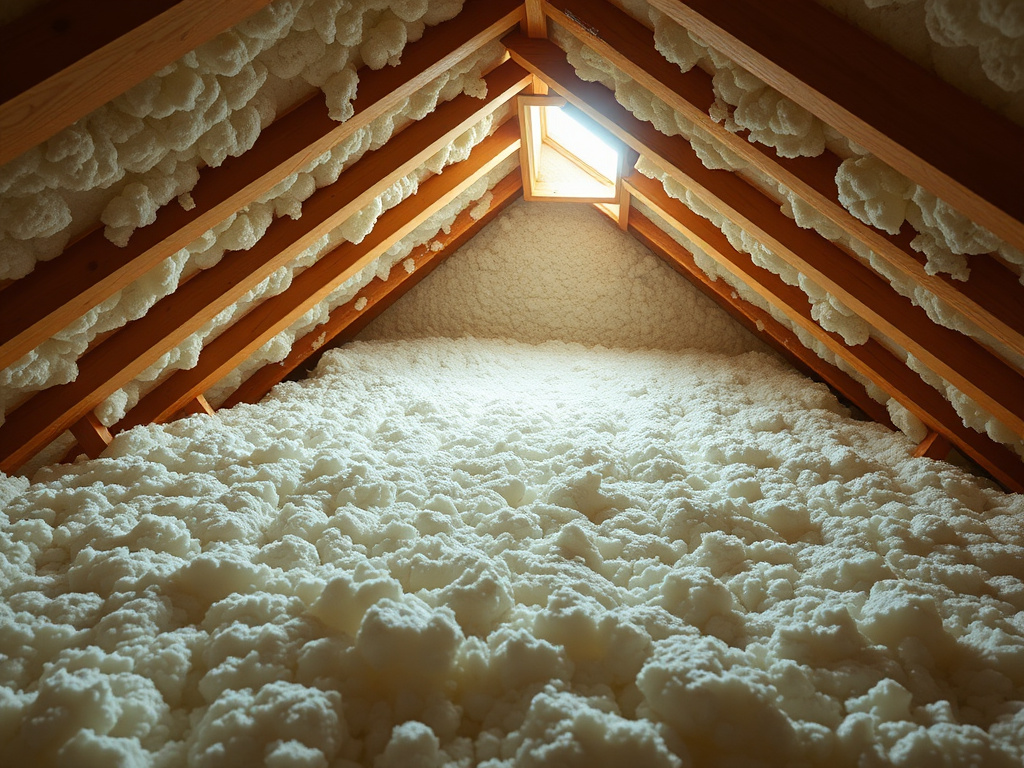
If a home could only fix one thing, the attic would usually be the right call. It's the largest, most exposed surface between conditioned living space and the outdoors, and in most homes it accounts for the biggest single share of potential energy savings available in a retrofit — more than windows, more than a single wall, more than almost any other upgrade. A thin, gapped, or compressed layer of attic insulation lets summer heat pour down into living space and lets that same heat bleed right back out on a cold winter night, forcing the HVAC system to fight a battle it shouldn't have to fight.
We inspect existing attic insulation — depth, material, condition, and any signs of pest damage or moisture — before recommending a plan, and we always look at air sealing first, since insulation alone can't stop air moving through gaps around wiring, plumbing, and attic hatches. Most homes should target somewhere between R-38 and R-49 depending on climate, roof design, and existing insulation, and we'll walk you through exactly what that means for your specific attic rather than quoting a generic number. Call 844-967-5247 for a free inspection.
Why homeowners choose it
- Attic upgrades deliver the highest energy-savings return of nearly any home improvement
- Air sealing stops drafts and hot/cold air infiltration that insulation alone can't touch
- Evens out temperature swings between upstairs and downstairs rooms
- Reduces strain and runtime on HVAC systems and attic-located ductwork
- Works with spray foam, blown-in, or a combination matched to your attic's specific layout
- A documented upgrade that can support future rebate or tax-credit applications
Why the Attic Is the Highest-Impact Upgrade
Heat always moves toward cold, and the attic is where that movement is most extreme in almost every home, in almost every climate. In summer, an underinsulated attic can bake well above 120 degrees under direct sun, radiating that heat down through the ceiling all day and forcing air conditioning to run far longer than it should. In winter, the same gap in protection lets warm air rise and escape right through the ceiling plane, which is why so many homes with drafty, underinsulated attics feel cold no matter how hard the furnace runs.
Because the attic is the single largest, most exposed surface separating conditioned space from the outdoors, it consistently represents the biggest share of a home's total energy-savings opportunity in a retrofit — bigger than any other individual upgrade in most cases. That's true whether a home deals mostly with brutal summer heat, harsh winter cold, or a real mix of both throughout the year.
- The attic typically represents the largest single share of a home's energy-savings potential
- Underinsulated attics let summer heat radiate down and winter heat escape up
- Attic upgrades reduce HVAC runtime and even out room-to-room temperature swings
- Effective at any climate profile — hot summers, cold winters, or both
Air Sealing First: Why the Order Matters
Insulation slows heat moving through solid material, but it does nothing to stop air moving through gaps — and an attic is full of them: recessed lighting, plumbing stacks, wiring chases, top plates, and the attic hatch itself. Adding a fresh layer of insulation over an attic riddled with unsealed penetrations just buries the leaks rather than fixing them; air will keep finding its way through regardless of how much material sits on top.
That's why we build air sealing into the front of every attic insulation project rather than treating it as an optional upsell. Sealing gaps first means every dollar spent on insulation afterward actually performs at its full rated value, instead of fighting air movement that insulation was never designed to stop in the first place.
- Seals attic penetrations: plumbing stacks, wiring chases, can lights, and the attic hatch
- Addresses top-plate gaps where interior walls meet the attic floor
- Sets new insulation up to perform at its full rated R-value
- A simple, inexpensive step that's skipped far too often in this trade
Choosing the Right Attic Insulation Approach
Most attic-floor upgrades use blown-in insulation because it fills irregular framing completely and reaches target R-values efficiently and affordably across a large, open attic footprint. Spray foam on the underside of the roof deck is the right call when ductwork or HVAC equipment lives in the attic and needs protection from extreme temperature swings, since it brings the whole attic inside the home's conditioned envelope rather than leaving equipment exposed.
There's no single right answer for every home — it depends on your attic's layout, existing ventilation, and where your mechanical equipment sits, and we evaluate that during an on-site inspection rather than defaulting to one approach. If existing insulation is contaminated, water-damaged, or too degraded to top off, that's a job for our insulation removal and replacement service before we bring the attic back up to target.
Ideal for
- Homes with visibly thin, uneven, or compressed existing attic insulation
- Upstairs rooms that run noticeably hotter or colder than the rest of the house
- Homes with ductwork or HVAC equipment located in the attic
- Rising energy bills without an obvious cause
- Pre-sale upgrades to improve a home's efficiency and marketability
What affects the cost
Attic Insulation questions, answered
A typical attic project runs from a modest cost for a small top-off to a larger investment for a full removal-and-reinsulation job, depending on square footage, target R-value, and material. We provide a firm number after a free on-site inspection — call 844-967-5247 to schedule one.
Most homes should target somewhere between R-38 and R-49 depending on climate, roof design, and existing insulation. We measure your attic and recommend a specific target rather than a one-size-fits-all figure.
Yes — sealing gaps around wiring, plumbing, and the attic hatch first means new insulation performs at its full rated value instead of covering up leaks that will keep letting air through regardless of how much material sits on top.
Signs include visibly thin or compressed insulation, uneven room temperatures, rising energy bills, or signs of pest activity like droppings or nesting material. A quick inspection can confirm whether a top-off or a full removal and replacement is the right call.
Attic Insulation done right, by a licensed crew
Attic Insulation isn't a commodity — the result depends entirely on how carefully it's planned and installed for your specific property. We assess what your property actually needs, prep and air-seal properly, and install to your target R-value, so the work delivers the comfort and savings it's supposed to. No shortcuts, no builder-grade rush.
Every job starts with a free, no-pressure quote — an on-site look at your property, a clear explanation of what we'd recommend and why, and an itemized number before any work begins.
Just as important, we treat your property like the system it is. Insulation, air sealing, and moisture control all interact, and getting one right while ignoring the others leaves comfort and savings on the table. When we scope your attic insulation, we look at how it fits the whole picture — so the finished result performs the way it should and actually lowers the bills you feel every month. That whole-property mindset, plus honest advice about what your home or building truly needs, is what our clients count on us for.
Free assessment
We evaluate your property and give you a clear, itemized quote before any work begins.
Expert install
We prep, air seal, and install your attic insulation to spec — clean and on schedule.
Savings you can feel
A more comfortable property and lower energy bills, backed by a licensed & bonded crew.
Related services
Ready for a free attic insulation quote?
Tell us about your home and we'll put together a clear, no-pressure quote — with the right insulation for your budget and your goals.