Crawl Space Insulation & Encapsulation
A vented, uninsulated crawl space is one of the most common sources of moisture, musty odors, and cold floors in a home — closed-cell foam and encapsulation shut that problem down at the source.
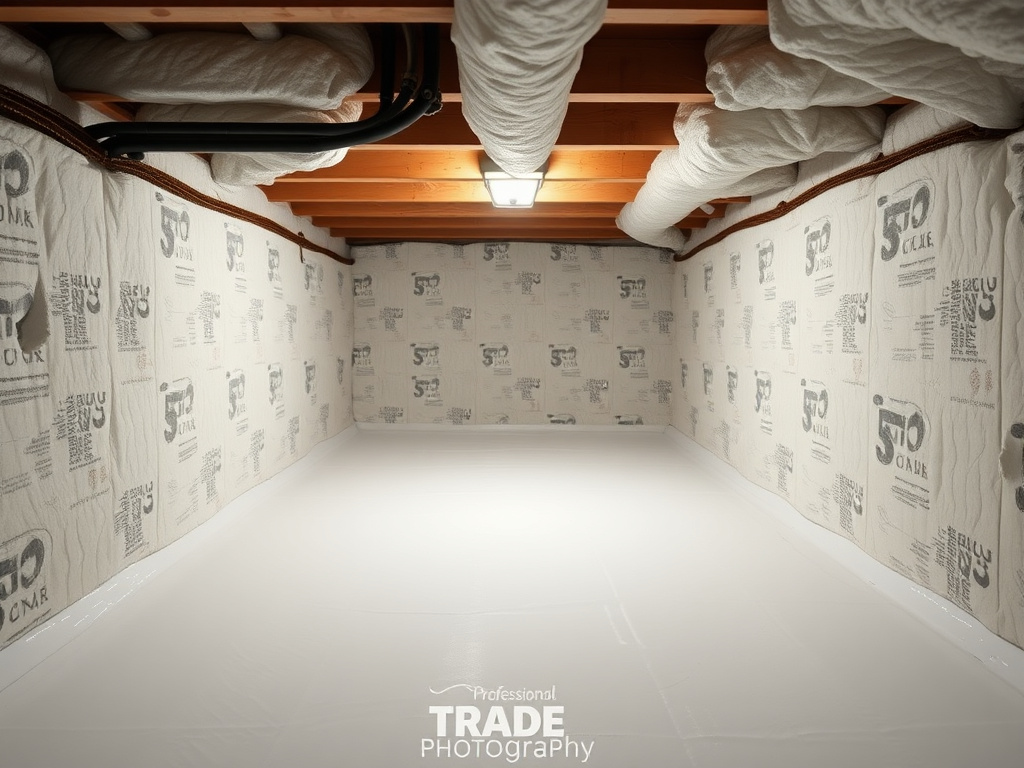
A traditional vented crawl space lets outside humidity, moisture, and temperature swings straight into the underside of a home, and that moisture doesn't stay put — it migrates upward through the subfloor, feeds mold and wood rot, and is very often the real source of a musty smell homeowners notice a full floor away from the crawl space itself. Cold floors, higher-than-expected energy bills, and a general sense of dampness in a home are frequently traced back to an unaddressed crawl space rather than anything happening upstairs.
We insulate crawl space walls and rim joists with closed-cell spray foam, which resists moisture and air-seals in a single application, and we pair that with encapsulation — a heavy-duty ground vapor barrier and sealed vents — when a crawl space needs full, long-term moisture control rather than insulation alone. Call 844-967-5247 for a free inspection and we'll tell you honestly which scope your crawl space actually needs.
Why homeowners choose it
- Closed-cell foam resists moisture and air-seals crawl space walls and rim joists in one step
- Full encapsulation blocks ground moisture, humidity, and outside air from entering at the source
- Reduces musty odors that migrate up into living space above
- Improves floor comfort by stopping cold air infiltration through the subfloor
- Helps protect wood framing, joists, and subfloor from long-term moisture damage
- Closes common pest entry points as part of the same project
Why a Vented Crawl Space Creates More Problems Than It Solves
Vented crawl spaces were built on the assumption that outside air would keep the space dry, but in most climates the opposite happens — humid outside air enters the crawl space, meets cooler surfaces underneath the home, and condenses. That moisture soaks into wood framing, feeds mold growth, and rises through the subfloor into the living space above, which is exactly why a musty smell in an upstairs bedroom so often traces back to a crawl space nobody's looked at in years.
Standard fiberglass batts hung between floor joists don't solve this — they absorb moisture rather than resisting it, sag and fall out of place over time, and do nothing to stop the humid air exchange that's actually causing the problem. Treating the crawl space as a sealed, conditioned space rather than a vented, outside-air space is what actually fixes it.
- Vented crawl spaces let humid outside air in, where it condenses on cooler surfaces
- Moisture in the crawl space migrates upward through the subfloor into living space
- Fiberglass batts absorb moisture and sag rather than solving the problem
- Musty odors upstairs frequently trace back to an unaddressed crawl space
Closed-Cell Foam and Encapsulation: How the System Works
Closed-cell spray foam applied to the crawl space walls and rim joists insulates and moisture-seals in a single step — its sealed cell structure doesn't absorb or wick water the way batts do, and it stops air infiltration at the same time. For crawl spaces with real ground moisture, standing water risk, or high ambient humidity, we pair that wall insulation with full encapsulation: a heavy-duty vapor barrier sealed across the ground and up the walls, combined with sealing or removing vents that would otherwise keep letting outside humidity in.
The combination addresses the crawl space as a system rather than treating insulation and moisture control as separate problems. A drainage or sump solution is sometimes added where standing water is a recurring issue, but for most crawl spaces, sealed walls plus a proper ground vapor barrier resolves the moisture problem at its source.
- Closed-cell foam insulates and moisture-seals crawl space walls and rim joists in one step
- Full encapsulation adds a sealed ground vapor barrier and closes off outside vents
- Addresses insulation and moisture control together rather than as separate fixes
- Drainage or sump additions are available where standing water is a recurring issue
Signs Your Crawl Space Needs Attention
Most homeowners don't think about their crawl space until a symptom shows up somewhere else in the house — a musty smell, a cold spot in the floor, or a spike in the energy bill that doesn't have an obvious cause. By the time those symptoms are noticeable upstairs, the crawl space has usually been dealing with the underlying moisture problem for a while.
If any of the signs below sound familiar, a crawl space inspection is worth scheduling before the moisture does more damage to framing, subfloor, or insulation than it already has.
- A persistent musty or damp odor, especially noticeable on the lowest floor
- Visible moisture, condensation, or standing water in the crawl space
- Sagging, falling, or moisture-stained insulation between floor joists
- Cold or drafty floors directly above the crawl space
- Signs of wood rot, mold, or pest activity on framing or subfloor
Ideal for
- Homes with a persistent musty smell that seems to come from nowhere specific
- Vented crawl spaces with visible moisture, condensation, or standing water
- Cold, drafty floors directly above an unaddressed crawl space
- Homes with wood rot, sagging insulation, or pest activity in the crawl space
- Pre-sale or inspection-flagged crawl space moisture issues
What affects the cost
Crawl Space Insulation questions, answered
Cost depends on square footage, whether you need insulation alone or full encapsulation, and whether existing moisture or mold issues need to be addressed first. We provide a firm quote after a free on-site inspection — call 844-967-5247.
It depends on your crawl space's moisture exposure. Closed-cell foam on the walls handles insulation and basic moisture resistance well, but a crawl space with real ground moisture or humidity issues benefits from full encapsulation — a sealed ground vapor barrier plus closed vents — for complete, long-term control.
In most cases, yes. A musty odor is usually caused by moisture and humidity originating in the crawl space and migrating upward through the subfloor. Sealing that moisture source at the crawl space typically resolves the odor along with it.
Most residential crawl space projects are completed in one to two days, depending on square footage, access, and whether existing insulation or moisture damage needs to be removed first.
Crawl Space Insulation done right, by a licensed crew
Crawl Space Insulation isn't a commodity — the result depends entirely on how carefully it's planned and installed for your specific property. We assess what your property actually needs, prep and air-seal properly, and install to your target R-value, so the work delivers the comfort and savings it's supposed to. No shortcuts, no builder-grade rush.
Every job starts with a free, no-pressure quote — an on-site look at your property, a clear explanation of what we'd recommend and why, and an itemized number before any work begins.
Just as important, we treat your property like the system it is. Insulation, air sealing, and moisture control all interact, and getting one right while ignoring the others leaves comfort and savings on the table. When we scope your crawl space insulation, we look at how it fits the whole picture — so the finished result performs the way it should and actually lowers the bills you feel every month. That whole-property mindset, plus honest advice about what your home or building truly needs, is what our clients count on us for.
Free assessment
We evaluate your property and give you a clear, itemized quote before any work begins.
Expert install
We prep, air seal, and install your crawl space insulation to spec — clean and on schedule.
Savings you can feel
A more comfortable property and lower energy bills, backed by a licensed & bonded crew.
Related services
Ready for a free crawl space insulation quote?
Tell us about your home and we'll put together a clear, no-pressure quote — with the right insulation for your budget and your goals.