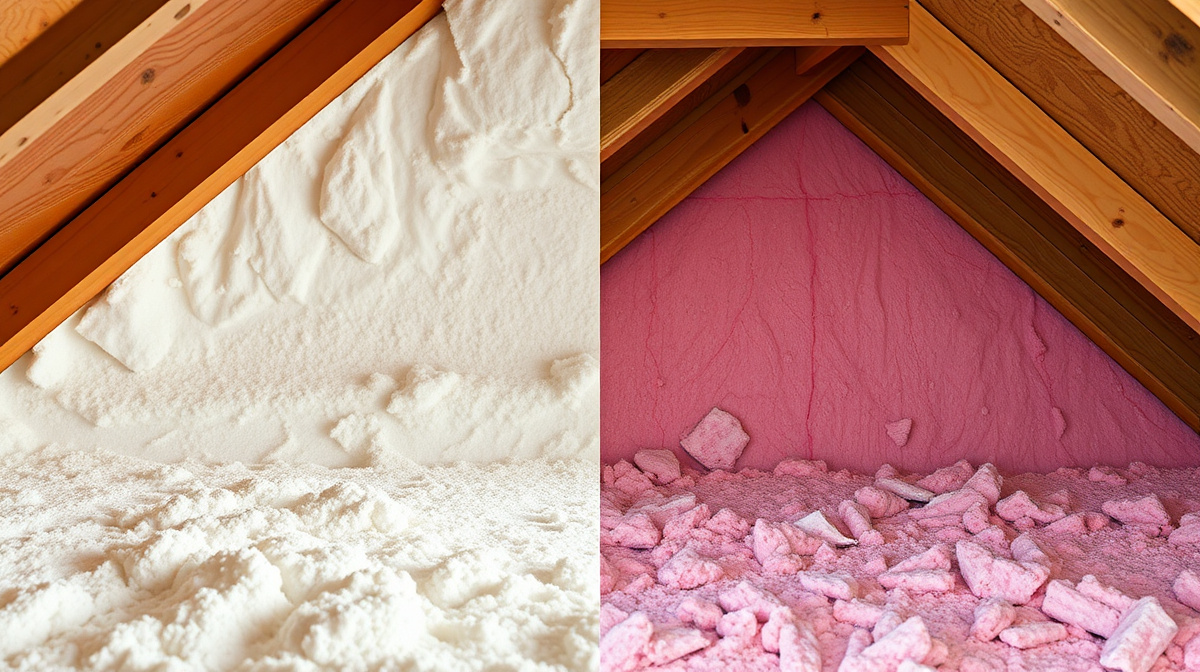
Signs Your Attic or Crawl Space Insulation Has Failed (And What to Do About It)
Insulation doesn't usually fail all at once — it degrades gradually, which means a lot of homeowners live with underperforming attic or crawl space insulation for years without realizing it's the actual source of their comfort and energy-bill problems. Here are the signs worth paying attention to, what's likely causing them, and what to do about each one.
Uneven temperatures from room to room
If some rooms are consistently harder to keep comfortable than others — especially rooms above a garage, at the end of a hallway, or directly under the attic — that's often a sign of localized insulation gaps or thinning rather than a whole-house HVAC problem. Insulation that's shifted, settled, or was installed unevenly in the first place can leave specific areas with far less protection than the rest of the house, even if the average insulation depth looks fine on paper.
What to do: have the specific problem areas inspected rather than assuming the whole attic needs replacing. Often a targeted top-up in the thin spots resolves the issue without a full re-insulation project.
Rising energy bills without an obvious cause
If your heating or cooling costs have crept up over time and your HVAC system, thermostat settings, and household habits haven't changed, degrading insulation or new air-sealing gaps are a common culprit. Insulation that's compressed, settled, or damaged loses effective R-value gradually, and gaps around penetrations (can lights, plumbing, wiring, an attic hatch) can open up over time as a house settles, none of which shows up as a dramatic, obvious failure — just a slow upward drift in your bill.
What to do: an energy assessment comparing your current insulation depth and condition against a reasonable target for your home is the clearest way to confirm whether insulation is the driver before spending money elsewhere.
Drafts, cold floors, and hard-to-explain temperature swings
A noticeable draft near baseboards, cold floors over a crawl space or garage, or a room that swings temperature quickly when the weather changes outside are all signs that air is moving through gaps that insulation alone isn't addressing — or that insulation in that specific area has thinned, shifted, or was never adequate to begin with.
What to do: air sealing is often the more urgent fix here, sometimes even before adding more insulation depth. A combined air-sealing and insulation assessment identifies which is the bigger issue for your specific problem area.
Moisture, musty odors, or visible mold
A musty smell in an attic or crawl space, visible moisture staining on insulation or framing, or actual mold growth are more serious signs that shouldn't be ignored. Wet insulation loses most of its insulating value, and it can also indicate a bigger moisture problem — a roof leak, poor ventilation, or ground moisture in a crawl space — that needs to be addressed at the source before any new insulation goes in. Installing new insulation over an unresolved moisture problem is one of the most common and costly mistakes homeowners make, since it just traps the same issue under fresh material.
What to do: have the moisture source identified and resolved first — a roof or plumbing leak, inadequate crawl space vapor barrier, or poor attic ventilation. Then remove any compromised insulation and replace it, ideally with a moisture-resistant material like closed-cell spray foam in areas prone to dampness.
Visible damage, compression, or pest activity
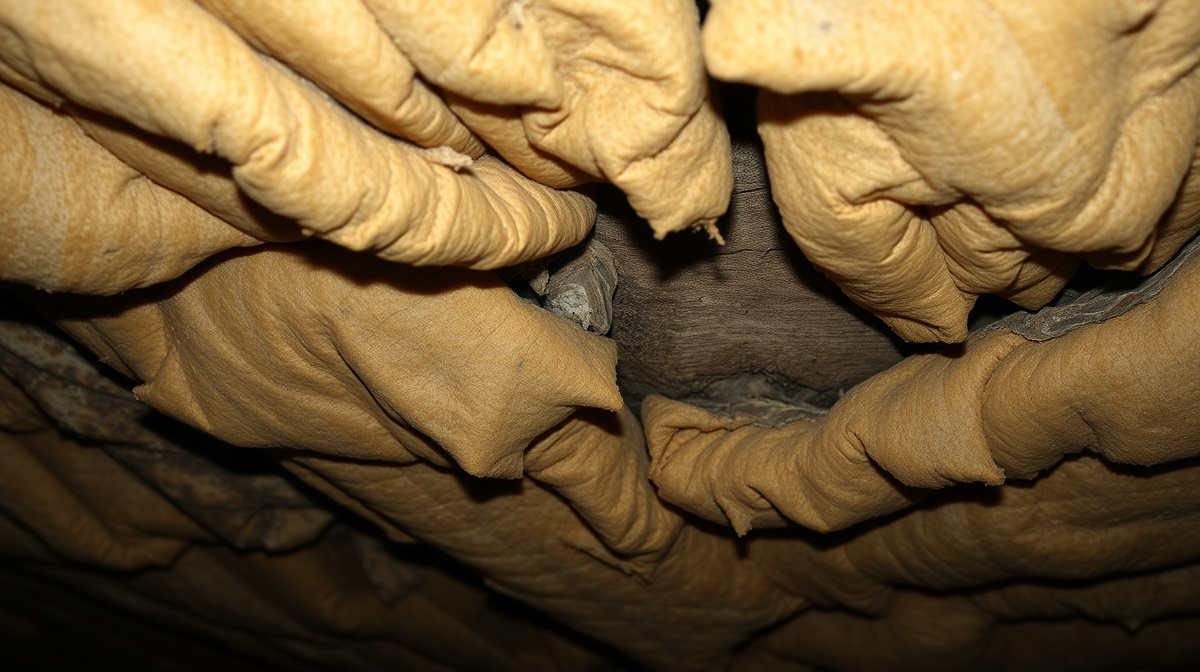
Insulation that's visibly thin, flattened, disturbed, or has nesting material and droppings mixed into it has almost certainly lost a meaningful share of its rated performance, and it may also pose an air-quality concern depending on the extent of the contamination. Pests are drawn to loose-fill and batt insulation as nesting material, and their activity compresses and displaces it in ways that are usually visible on close inspection.
What to do: contaminated or heavily disturbed insulation should generally be removed rather than topped up, since simply adding new material on top doesn't resolve the underlying pest access point or the contamination already present. Address the pest entry point first, then remove and replace the affected insulation.
Insulation that's simply old
Insulation doesn't have a hard expiration date, but homes insulated more than 15 to 20 years ago were often built to standards well below what's commonly recommended today, and materials like loose-fill cellulose or fiberglass can settle and lose loft over time even without any obvious damage. If your home falls into that window and you haven't had the attic or crawl space assessed recently, age alone is a reasonable trigger for a checkup, even without other symptoms present.
Top up, repair, or full replace — how to decide
- Localized thin spots with no moisture or contamination: a targeted top-up is usually sufficient.
- Whole-attic or whole-crawl-space settling with no other issues: a full top-up to current target R-value.
- Wet, moldy, or pest-contaminated insulation: removal and full replacement, after the underlying moisture or pest issue is resolved.
- Old insulation approaching or below current recommended R-value targets with no damage: a straightforward upgrade, often a good candidate for bundling with air sealing.
Not sure which category your home falls into? That's exactly what an assessment is for — we'll inspect your attic or crawl space, tell you honestly whether you need a full replacement or just a targeted fix, and make sure any underlying moisture or pest issue gets addressed before new material goes in. Call 844-967-5247 for a free, no-pressure evaluation.
Frequently asked questions
Signs include uneven room temperatures, rising energy bills without another explanation, visible compression or damage, moisture staining or mold, and pest activity. Insulation older than 15 to 20 years is also a reasonable trigger for an assessment even without obvious symptoms.
Only if the existing insulation is dry, uncontaminated, and structurally sound. Wet, moldy, or pest-contaminated insulation should be removed and the underlying moisture or pest issue resolved first — installing new material over a compromised layer traps the problem rather than fixing it.
Not always, but it's a serious sign that shouldn't be ignored. Wet insulation loses much of its insulating value and can indicate a bigger issue like a roof leak or poor ventilation. The moisture source needs to be fixed first, and compromised insulation typically needs to be removed rather than dried out and reused.
Uneven room temperatures often point to localized insulation gaps, thinning, or settling in that specific area rather than a whole-house HVAC problem. A targeted inspection of the affected area can usually identify whether a top-up will resolve it.
Ready for a free quote?
Tell us about your home and we'll build a clear quote — rebates included.